IMPORTANT — Protect yourself from fraud. The Estate of GK Kirima only accepts payment through official channels listed on this website. If you have been asked to pay anyone outside these channels, do not pay, and report it to us immediately.
Our Heritage
The Kirima name carries a legacy of stewardship, vision, and commitment to the communities surrounding its land.
The Man Behind the Name
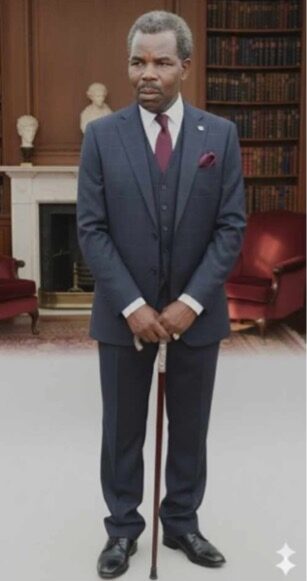
Gerishon Kamau Kirima was born in 1932 in Kiruri village, Kangema, in the tea-growing highlands of Murang’a County on the slopes of the Aberdare Ranges, one of eleven children. Like many of his generation, he left school early to help his parents pick tea and began his working life with little more than his hands, his discipline, and an unshakeable belief in honest enterprise.
As a young man he moved to the Kinangop plateau, where he taught himself carpentry. At the dawn of Kenya’s independence, he moved to Nairobi, where he became the pioneer carpenter at the Royal College, today the University of Nairobi, and ran small furniture workshops in Bahati and Kaloleni. His wife, Agnes Waruguru, minded the counter at Kaloleni, selling the furniture he crafted in his spare time. From those workshops he built, plank by plank and shilling by shilling, one of the most remarkable business stories of independent Kenya.
Opening Doors That Had Been Closed
Gerishon Kirima belonged to the pioneering generation of African entrepreneurs who opened doors that had been closed to Africans under colonial rule. He established butcheries and bars serving Nairobi’s new working class, registered his company Kirima & Sons, and is remembered to this day as a father of nyama choma, Kenya’s beloved delicacy. He also ventured into public transport with the Kirima Bus Service, one of the leading African-owned bus companies of the era, carrying passengers on the central Kenya routes long dominated by colonial-era operators.
He did not stop at his own success. As chairman of the African Butchers Association, later the Kenya National Butchers’ Union, he successfully championed the right of African farmers and butchers to compete in a meat industry that had shut them out. It was not simply a business achievement. It changed who was allowed to take part.
The Land That Fed Nairobi
The land at Njiru was never idle to him. It was here that he established one of the first private abattoirs owned by an African, and for decades this land helped feed the city of Nairobi. Long before it carried a name of its own, this place was already doing serious work.
A Life of Service
His success carried him into public service. He was elected a Nairobi city councillor, rose to Deputy Mayor of Nairobi, served as Member of Parliament for Starehe Constituency from 1989, and held office as an Assistant Minister.
A Life of Faith
Beneath the businessman and the politician was a man of deep and consistent faith. In 1952, Kirima gave his life to the Lord at Africa Inland Church (AIC), Kijabe, and he remained a devoted believer until his last breath. His home congregation was AIC Ziwani in Nairobi, where he served for years as a permanent member of the church’s development committee. He was a generous benefactor of the church more widely, donating numerous pieces of land in support of its growth across the city.
For a man so widely known for boardrooms and ballot papers, few outside the family saw this side of him. For Kirima, spiritual conviction and material success were never separate pursuits.
The Measure of the Man
For all his wealth and standing, Kirima remained famously humble. He insisted that his own children pick coffee, collect rent, and serve customers, because he believed that prosperity means nothing without discipline and dignity in work. He dealt with people directly and in person, and he worked long after he had any need to.
What he believed was simple, and he never moved from it: that social and economic prosperity must exist in the same space. Land ownership should not be the privilege of a few, and where a person begins in life should not decide what they are able to build.
“He rose from modest beginnings, dealt honestly, and believed that land ownership should not be a privilege of the few.”
Investing in the Next Generation
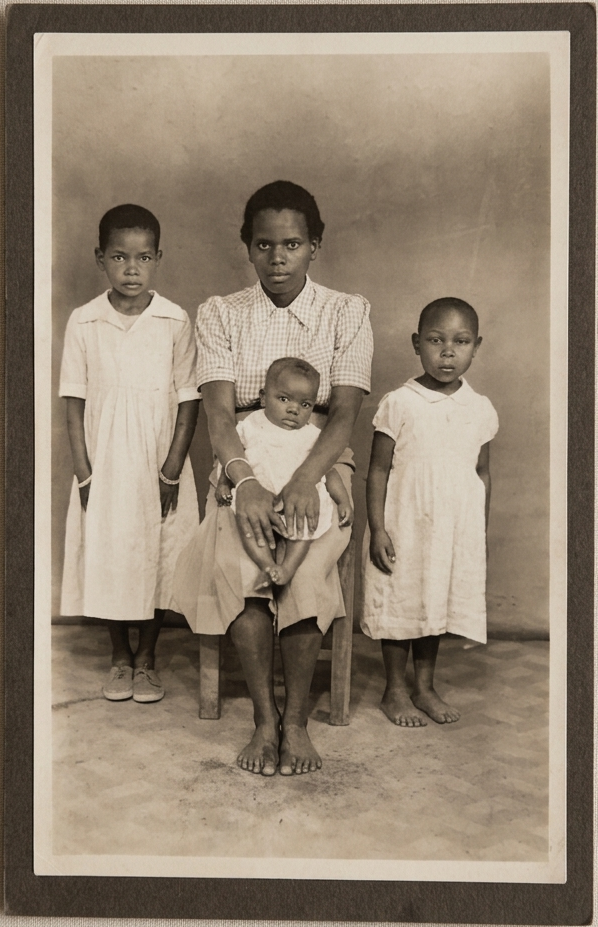
Kirima had thirteen children, and his belief in opportunity extended to every one of them. Having left school early himself, he was determined that his own children would not have to. Almost all of them were educated in Kenya and the United Kingdom, sons and daughters alike. Not many men of his generation believed in spending large sums of money to educate a daughter the way they would a son, but Kirima made no such distinction, he believed in all his children equally.
Gerishon Kamau Kirima passed away in December 2010, aged 88. His funeral was held at AIC Ziwani in Nairobi, before he was laid to rest at his beloved rural home in Kiruri. The Estate of GK Kirima carries his legacy forward, and it remains the owner of the land and the parent body under whose authority Kirima Rise operates.
A Life in Brief
Born in the tea-growing highlands of Murang’a County, on the slopes of the Aberdares.
Kiruri, Kangema
Teaches himself carpentry and begins working life with his hands.
Kinangop
- Gives his life to the Lord at AIC Kijabe; remains a devoted member of the Africa Inland Church for the rest of his life.
1952
Moves to Nairobi; pioneer carpenter at the Royal College, today the University of Nairobi. Runs furniture workshops in Bahati and Kaloleni.
Independence era
Registers Kirima & Sons Ltd. Establishes butcheries and bars serving Nairobi’s new working class.
1960's
1970's
Elected Nairobi city councillor, rises to Deputy Mayor, serves as Member of Parliament for Starehe from 1989, and holds office as Assistant Minister.
Public service
Passes on. The Estate of GK Kirima assumes stewardship of his legacy.
December 2010
Kirima Rise brand launched; title processing begins.